
And What Serious Buyers Should Know Before Falling in Love)
Every few weeks, someone writes to me with the same excitement:
“We found a house in Italy for €48,000. Is this a good deal?”
It’s a beautiful question. Because behind it there is hope. There is a dream. There is the idea that Italy might still offer something untouched, affordable, authentic.
And yes — cheap houses in Italy absolutely exist.
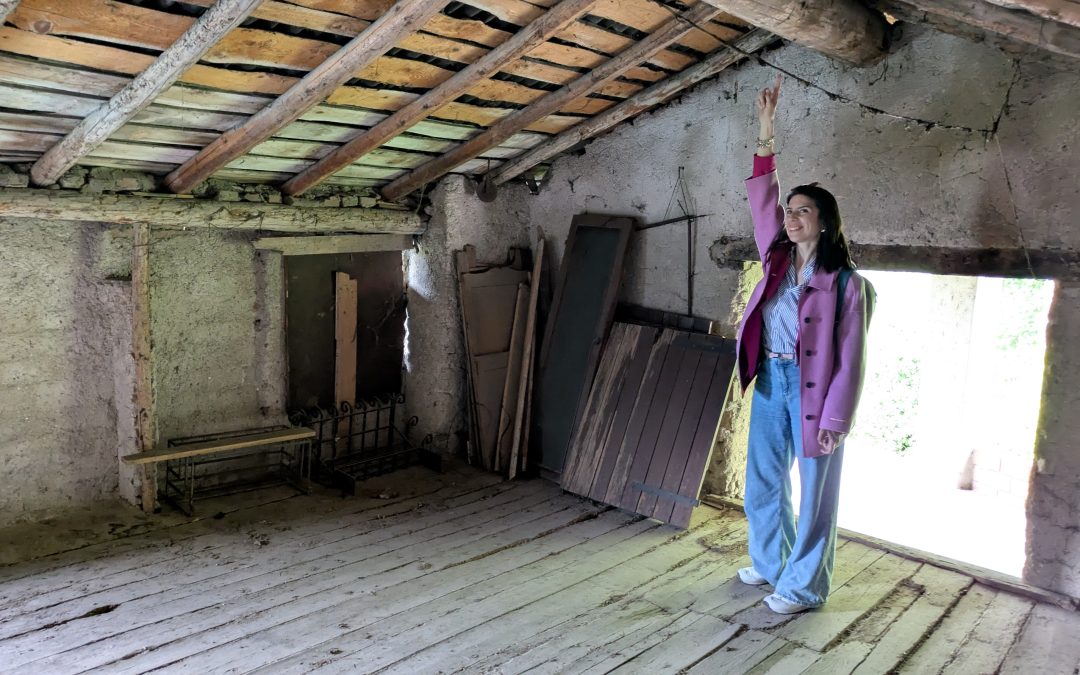
In inland areas of Abruzzo, certain villages in Sicily, or rural pockets of Le Marche, you will find properties between €50,000 and €80,000. Stone houses. Shutters slightly faded. Views over rolling hills. Silence that feels cinematic.
But the purchase price is rarely the full story.
Because what buyers are truly asking is not whether the house is real.
They are asking whether the number represents opportunity — or future stress.
🇮🇹 Price Always Reflects Something
In Italy, low prices are rarely random.
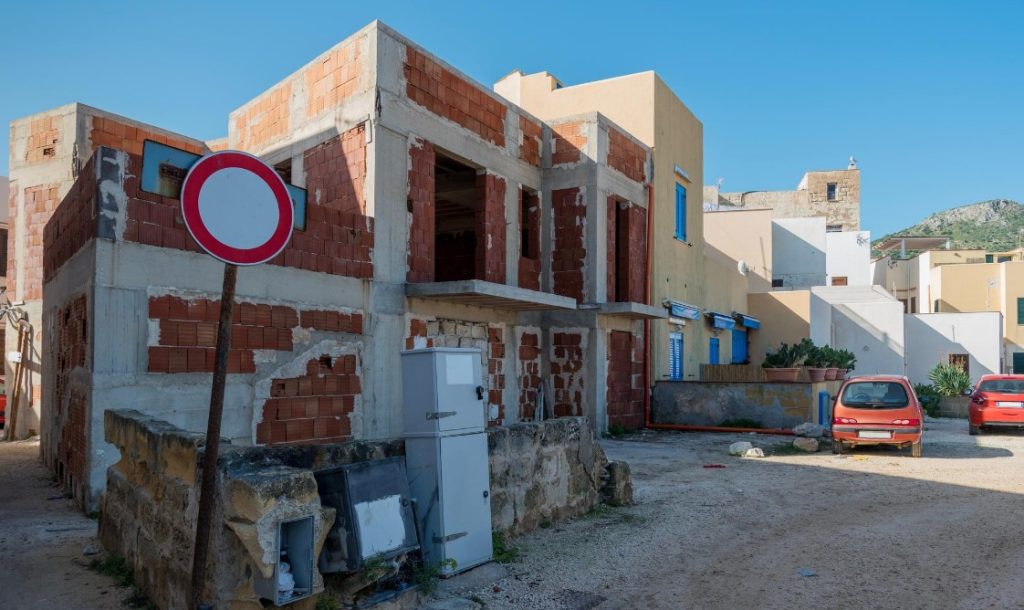
Sometimes they reflect geography. Two hours from the nearest airport changes how often you visit. Limited infrastructure changes how easily you rent. A declining population changes long-term resale potential.
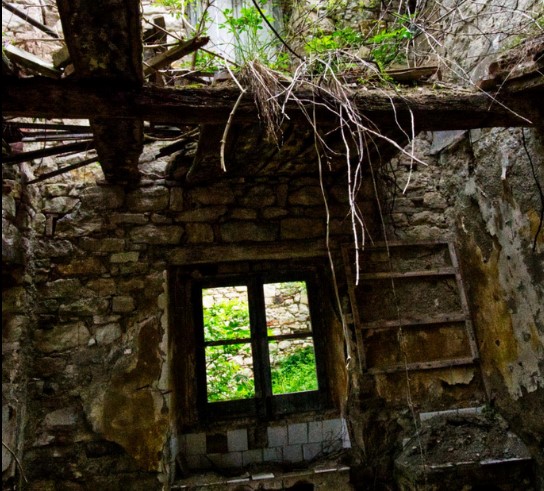
Sometimes the price reflects the building itself. Electrical systems that function but are not compliant. Heating that works but is inefficient. Roofs that are old but not yet failing. Renovation in Italy is not cosmetic theatre — it is structural, bureaucratic, and often slower than foreign buyers expect.
And sometimes the price reflects paperwork. Inheritance chains. Minor discrepancies between cadastral records and actual layouts. Agricultural classifications that limit use. None of these are necessarily catastrophic. But they require verification, time, and professional oversight.
Cheap does not mean wrong. But it almost always means complex.
💸 The Real Cost: Purchase Price Is Just the Entry Ticket
When someone anchors to €50,000, they mentally build their dream around that figure.
Yet once taxes, notary fees, agency commissions, technical checks, and utility activations are properly structured, the real entry point often rises significantly. Add even moderate renovation, and the psychological gap between “cheap” and “realistic” becomes visible.
This is where expectations quietly shape outcomes.
I have seen buyers who chased the lowest possible number and later felt overwhelmed by the ecosystem around it.
And I have seen buyers who approached the same budget differently — strategically — and created something stable.
Johna is one of them. She had a budget under €100,000 and a clear desire for Tuscany. Not an isolated ruin, but a historic town with daily life — cafés open year-round, neighbours present, services within walking distance. We found her an apartment that required updating but sat within a structurally solid building and a legally clean framework. The documentation aligned. The location made sense. The renovation was manageable. It was not the cheapest property available in Tuscany. It was the most coherent one.
On the day of signing, she could not be physically present and granted power of attorney. I stood there on her behalf and held a video call so she could witness the moment. Later she wrote that it was one of the most beautiful days of her life. That purchase was not about buying cheap. It was about buying wisely within limits.
A similar logic guided Adrian near Lake Iseo. His ceiling was under €120,000. He wanted lake proximity, accessibility from Northern Europe, and realistic rental potential — not fantasy returns. We focused on an apartment that needed improvement but not structural rescue, in an area with established tourism and solid infrastructure. The lake market there remains more accessible than Como or Garda, yet stable enough to sustain demand. The result was not a bargain story. It was a balanced entry into a healthy micro-market.
Both purchases were below what many consider the “comfortable” Italian budget. Both worked because context, structure, and long-term logic were respected.
That is the difference.
🔨 Renovation in Italy: The Hidden Multiplier
Many low-priced properties have not been updated in 30–50 years.
Common findings:
- Electrical systems not compliant
- No insulation
- Old plumbing
- Roof without proper thermal barrier
- Single glazing windows
- Moisture or rising damp
Small refresh: €10,000–€20,000
Medium upgrade: €30,000–€60,000
Structural renovation: €80,000+
And here’s the emotional truth:
Renovating in your own country is stressful.
Renovating in a different language, culture, and system multiplies that stress.
🧾 The Bureaucratic Side Nobody Talks About
Lower-price properties often carry longer histories; inheritance situations, multiple heirs, old agricultural classifications, minor discrepancies between what was built and what was registered.
None of these are necessarily deal-breakers, but they require time, professionals, and patience.
And patience is often what international buyers feel they cannot afford.
Cheap vs Strategic
When people ask me whether cheap houses in Italy are worth it, my answer is never a simple yes or no.
It depends on who you are. If you want a slow-living retreat, accept long timelines, and have renovation liquidity, lower budgets can work beautifully.
If you expect turnkey perfection, airport proximity, and immediate rental yield under €60,000, we need to realign expectations.
Clarity is protection. And protection is what turns a romantic purchase into a sustainable one.
Final Thought
Italy is not expensive.
But mistakes can be.
The dream is choosing the village, the lake, the light through wooden shutters.
The intelligent part is building that dream on structure, context, and patience.
Cheap houses in Italy exist.
Strategic decisions are rarer.
And that difference determines whether your Italian home becomes a source of peace — or of complication.
FAQ
Are cheap houses in Italy worth it?
They can be, but only if you account for full costs, renovation needs, and legal clarity.
Is renovation in Italy expensive?
It varies greatly, but structural work and compliance upgrades can significantly increase the initial investment.
Why are houses in Italy so cheap?
Often due to location, condition, or ownership complexity.
What is a safe budget to buy in Italy?
For most foreign buyers seeking stability and usability, €120,000–€250,000 offers significantly more strategic options.
Buying in Italy is not about finding a deal.
It’s about making a decision you will still feel good about in ten years.
If you are serious about building something stable here —
emotionally and financially —
I’d be happy to guide you through the process.
You can apply for a discovery call here → [link]
Because your Italian home should feel calm from the very beginning.