

The step-by-step guide to purchasing properties in Italy
Italy’s wonderful views, rich history, and lively culture draw interest from global buyers, positioning it as an attractive hub for property investment. However, navigating the Italian real estate market can be daunting and requires a thorough understanding of the buying process. This step-by-step guide will walk you through the most important tips and steps for navigate the complexities of purchasing property in Italy.
Why buy a property in Italy?
Leaving aside the emotional aspects, you must delve into the rational reason why you want to buy a house in Italy. What do you need this house for? Will it be your retirement-home?The house for your family holidays? An investment?
Understanding even the less emotional motivation is important to find the best option for you. of course happiness and health can be two great reasons why choose Italy but you might consider also that Italy can provide a number of economic benefits for those who want to invest in the country. As a matter of fact, the Italian Real Estate market offers a wide variety of properties at very competitive prices. Furthermore, there are several social/economic benefits to consider:
- Living in Italy also means being able to access one of the greatest healthcare systems in the world where medical expenses are covered not only for Italians but also for foreign people
- If you choose Italy as your retirement-country you may think about the 7% flat tax regime incentive
- Education is also an important point to consider: if you and your family wish to stay in Italy for a long period of time, you can enroll your children at school. Education in Italy is free.
- Holiday House – Investment – you can choose to buy a property for your family holiday and rent it when you’re abroad in order to reduce the costs of maintenance (routine maintenance, taxes, etc.) and get an income from it.

Buying property in Italy as a foreigner: can you do it?
So if you’re wondering if all foreigners can buy a property in Italy the answer is no. The first step to take is therefore to identify whether you are among the foreigners who can buy a house in Italy. Once this has been verified, it is necessary to identify all the aspects and the procedure that will lead to the actual purchase. There are 3 cases:
- Foreigners residing in Italy: you need the residence permit + italian fiscal code
- Subject who is a citizen of the EU or belonging to EEA countries: in this case there are no purchase limits. The same thing is valid for stateless individuals who have been resident in Italy for more than three years
- Foreigners not regularly residing in Italy: In this case the purchase is more complicated, as there must be an international treaty based on the principle of reciprocity that allows the purchase. This principle is quite simple: “If an Italian can buy a property in your country then you can buy a house in Italy”. For example: in 2018 the New Zealand Parliament introduced a ban on the purchase of property by non-resident foreigners and in 2023 the Canadian Parliament introduced the Prohibition on the Purchase of Residential Property by Non-Canadians Act, which prohibits foreigners from directly or indirectly purchasing residential property in the country until the 2025.
How to buy a home in Italy: step by step
Purchasing property in Italy entails a detailed and intricate procedure. Engaging local experts, performing thorough research, and staying updated throughout the process are key factors for a successful and fulfilling property acquisition in the Bel Paese.
Step 1. Research and Budgeting
Start by delving into thorough research on the Italian real estate market. Comprehend property prices, market trends, and legal obligations. Create a realistic budget that covers not only the property cost but also additional expenses like taxes, fees, and possible renovations.
Collaborating with a reliable local real estate agent is crucial. An agent can offer valuable market insights, assist in property selection, and streamline communication with sellers. Seek out agents with a strong reputation and deep knowledge of the local area.
Engage a notary and legal advisor who specialize in Italian real estate transactions. They will help you interpret legal documents, ensure thorough investigation, and navigate the intricacies of Italian property law. Having legal experts by your side is crucial for a seamless and secure transaction.
Step 2. Property selection
Coordinate with your real estate agent to pinpoint properties that match your criteria and financial plan. Visit these properties to personally gauge the neighborhood, facilities, and overall state of the property.
Step 3. Get ready to make an offer and get a sale contract
You’ll be able to start viewing properties at this point. However, there are a few other important steps like getting a codice fiscale — like an SSN — and opening a bank account in Italy. You may also want to get local tax advice.
Once you have found the home you’re in love with you can submit an offer (proposta d’acquisto), but not before having investigated on the title of the property at the Catasto (Italian urban and land property registry office). If the offer was accepted, you must sign the “preliminare”; the preliminary agreement of sale is a private agreement between the 2 parties where a price is agreed upon and the vendor undertakes to sell the property within a certain date to the buyer who undertakes to purchase it. The preliminare includes a detailed description of the property. Upon the signing of the preliminary agreement of the sale the buyer undertakes to pay a Caparra confirmatoria, generally between the 10 and 20% of the agreed price. Once this deposit is paid then if the vendor backs out he will have to pay twice of the deposit paid and if the buyer backs out he will lose his deposit.
Step 4. Complete due diligence checks and close
Finally we have the final purchasing deed so when both the buyer and the vendor are ready we can fix a date for the final purchasing deed generally it takes place between 1 to 6 months upon the preliminary agreement. In italian is called the Atto di compravendita which is a public contract and is read in total by the notary at the deed. In the end the vendor and the buyer proceed signing it in front of the notary who in the end signs it as well together with his stamp. This is the official transfer of ownership and takes place at the notary’s office. The remaining balance of the purchase price agreed is paid at this stage. Following the Rogito, the notary registers the sale with the local land registry. The buyer is responsible for paying property transfer taxes (Imposta di Registro) and other applicable fees. The notary will ensure that all necessary taxes are paid and the property title is transferred to the new owner.
The language of the notarial deed
The general principle that governs our system is that notarial deeds must be drawn up in the Italian language. However, it may happen that a person who does not know how to speak or understand the Italian language participates in the notarial deed. In this specific case, the notarial law offers the possibility of equally stipulating a notarial deed, providing protections in favor of those who do not know the Italian language.
If the notary, the seller and the buyer know the foreign language, as established by the art. 54 of the notarial law, the deed can be drawn up in the foreign language spoken by the parties appearing. In this case, the Italian translation will be placed opposite the original or at the bottom and will be signed together with the original. Otherwise, in the event that the notary and the parties do not know the foreign language, the deed must be drawn up in Italian, but there must be also present the translated version prepared by a certified interpreter.
Step 6. Possession and Utilities Transfer
After the sale is complete, the buyer become owner of the property. Ensure that utilities such as water, gas, and electricity are transferred to your name. Additionally, update your address with local authorities and service providers.
Buying property in Italy: how long does it take?
Purchasing a property in Italy can be a thrilling and fulfilling experience, but it’s crucial to have a clear plan and timeline in place. Here are the key steps you can anticipate when buying a new home in Italy!
- Let the games begin with the House hunting (1-3 Months): Before delving into the Italian property market, take the time to learn more about the area where you want to buy, the average price per square meter and the properties available within your budget. Furthermore, keep an eye on the competitiveness of the market by observing how quickly properties are selling (e.g. 1 month, 6 months or longer).
- It’s time for the house viewings (2-3 Weeks or Longer) If you’re a foreigner, my advice is to engage a consultant to assist you with the process. Once you’ve fallen in love with a property, he will help you make a compelling offer, which will eventually become a preliminary binding agreement known as “compromesso.”
- Sign the Final Deed and make your payment (1-3 Months) Once you’ve found your dream property and negotiated the terms with the seller, an official signing date will be set. The notary is required and will ensure that all legal formalities are completed and the property is transferred appropriately.
Buying a house in Italy: costs
How much is a house in Italy?
Italy provides a variety of cities and towns with properties to suit every budget. In the northern regions, you’ll encounter bustling metropolises like Milan or Venice where square meter prices are higher. Conversely, in the southern areas, you’ll discover a selection of villas, apartments, and houses to fulfill your dream of “La dolce vita” at a more affordable cost than in the north. Consider cities like Palermo and Naples for a seaside living experience.
Below you can find a comparison to get you an overview of the average house prices in Italy by city:

Additional costs of buying a house in Italy: taxes and fees
Another important aspect to look out for when setting your budget are the taxes and fees you’ll have to pay for your Italian home.

Where to buy a property in Italy?
Here are some of the most popular regions where to buy a house in Italy
LOMBARDIA

Lombardy stands as Italy’s economic hub, with prices reflecting this status, particularly in its capital, Milan, known for its business-oriented and prosperous environment in Europe. Conversely, other areas within the region offer property bargains for those willing to search diligently and in the right locations. While sought-after sections along the lakeshores command high prices, there are still affordable options available for owning a property by an Italian lake, making it an achievable dream for many. Typically, prices decrease as you move further away from the water, and some of the region’s smaller cities present more affordable housing opportunities.
TOSCANA

Tuscany stands out as a top choice in Italy for individuals seeking a second home, renowned for its breathtaking landscapes and exceptional wines. For those interested in culture, history, and art, Florence could be an ideal destination.
Property prices are high, and to secure a prime spot, you may need to consider a compact apartment. However, in exchange, you gain access to an abundance of history, art, and culture.
SICILIA
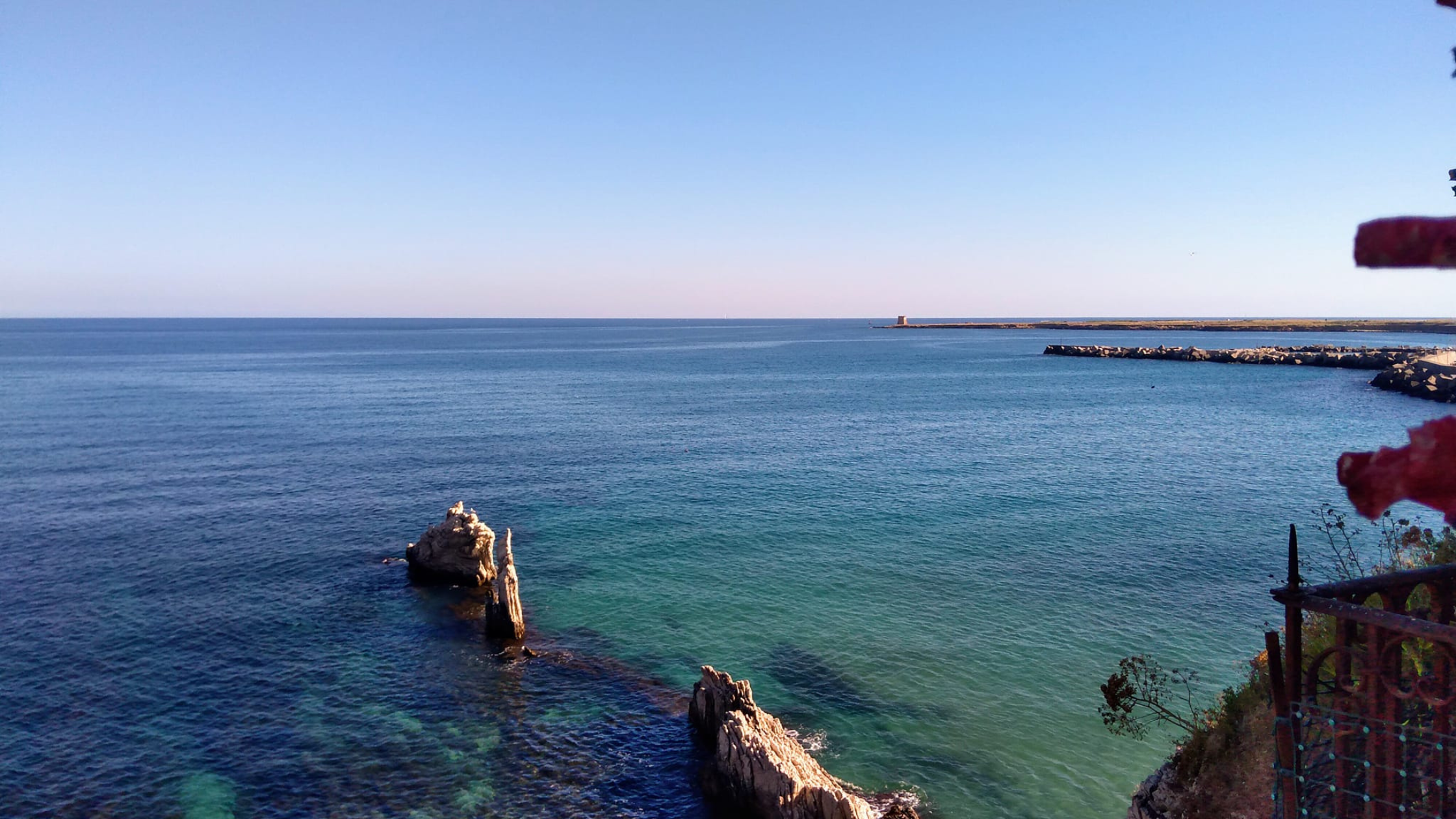
Sicily boasts a distinctive culture, stunning beaches, and historic towns. The variety of property options available ranges from town center apartments to countryside villas, some even including olive groves. Immerse yourself in the local culture, explore the area, and discover the ideal location for your dream Italian home.
PUGLIA

Puglia, with its long coastline, charming towns, and delightful weather, is a wise option for an affordable countryside retreat. When considering an older property, pay special attention to the condition of plumbing, electric wiring, as well as the possible presence of asbestos and lead. These issues can be concealed but are challenging to address once they surface.
Buying property in Italy: pitfalls
Buying a property in an unfamiliar country can feel risky. Here are some tips to keep in mind:
- Get qualified and trusted local advise – you can ask for recommendations from friends and family when selecting a realtor
- Conduct thorough due diligence checks with the guidance of your consultant to ensure the property is legally sellable and any building modifications are properly documented
- Obtain your codice fiscale and open a bank account before finalizing your purchase.
- Avoid buying a property sight unseen, especially older buildings that may have significant structural issues that require an in-person inspection.
- Verify the legitimacy of the seller by meeting them in person and confirming their name on the property deeds; proceed with caution if these steps are not possible.
While it’s challenging to be aware of every scam, trust your instincts. If something feels suspicious, it’s okay to pump the brakes. For everything else, I’m here for you!
Now you have all you need to know about how to buy property in Italy. This guide provides you with the essential steps for acquiring a home or investment property in Italy. It serves as a foundation for initiating your research and brings you closer to realizing your Italian dream.
I’m in the process of buying a Home in Vialle Raffaello from Idealista R.E. I’m working with a Andrea Vacca. Am getting my New Passport in about a week. My Cousin Antonio lives above Caserta. He wants to help me move there. This is an Investment. The closest Airport is LaMezia Terme. Is that near Naples ? I live in Hawaii. I am a 100% Italian ! Any Suggestions ?
Buongiorno Richard!
Thanks for your comment! I really like your story and I hope you can make your project come true!
If I understand correctly you’re interesting in buying a house in Scalea, Calabria, which is about 3 hours away from Naples. The area is very beautiful and here you can make interesting real estate investments.
My advice for you is this:
– before signing the offer, have a complete due diligence carried out by experts. Often, too often, properties in Italy hide problems both at the cadastral/urban planning level and legal level (e.g. mortgages, donations, etc.)
– check if you can access benefits (e.g. 7% tax regime)
– don’t rush and enjoy the whole process
I hope I was helpful
A presto
Barbara