
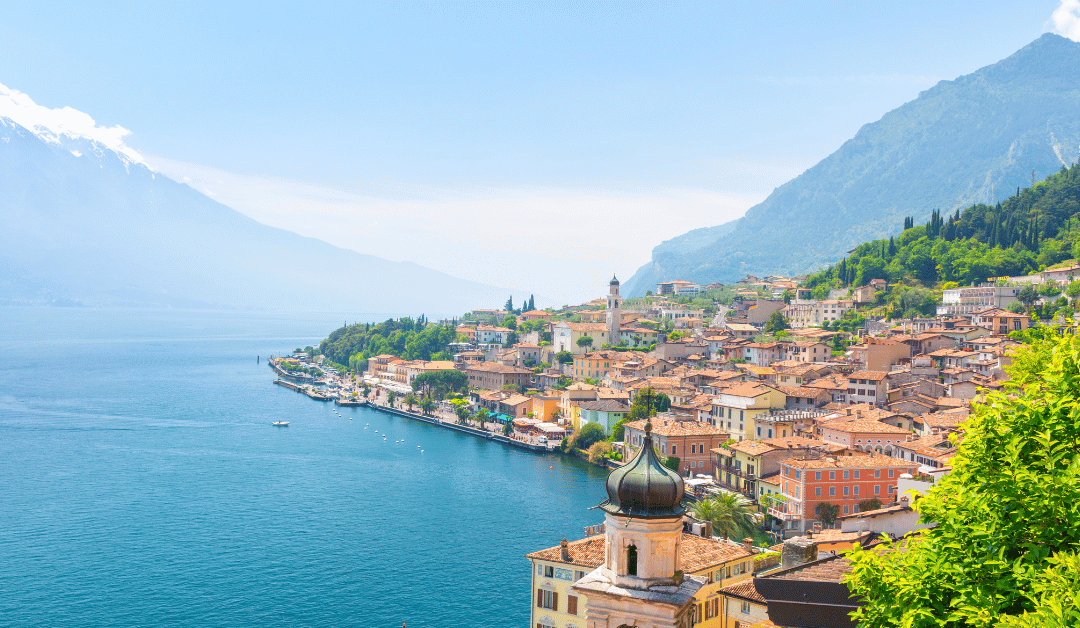
Moving to Italy from the UK is a dream for many—whether it’s the allure of the Mediterranean lifestyle, the rich cultural history, or the delicious cuisine, Italy offers a way of life that appeals to a wide variety of people. While the transition from the UK to Italy can be exciting, it also requires careful planning and understanding of the legal, financial, and practical aspects of relocation. In this article, I’ll cover everything you need to know about moving to Italy from the UK, including visas, residency, and tips for a smooth transition.
1. Post-Brexit Visa and Residency Requirements

Since the UK’s exit from the European Union, UK citizens are no longer able to move freely to Italy without a visa. However, moving to Italy from the UK is still possible, and there are various visa options depending on your situation:
- Tourist Visas: UK citizens can stay in Italy for up to 90 days within a 180-day period without a visa. This is useful for short-term visits or initial trips to explore housing options.
- Long-Stay Visa (National Visa): If you plan to stay in Italy for more than 90 days, you will need to apply for a long-stay visa. Common visa types include:
- Work Visa: For those with a job offer or who plan to work for an Italian company.
- Self-Employment Visa: For freelancers, business owners, or remote workers.
- Elective Residency Visa: For those who can financially support themselves without working (often retirees or individuals with sufficient passive income).
- Student Visa: For individuals enrolling in Italian universities or educational programs.
- Residency Permit (Permesso di Soggiorno): After arriving in Italy with your visa, you must apply for a Permesso di Soggiorno within eight days. This permit allows you to legally reside in Italy and must be renewed periodically depending on the visa type.
2. Choosing Where to Live

Italy offers a wide variety of living environments, from bustling cities to peaceful countryside villages. Here are some popular regions for UK expats:
- Tuscany: Known for its rolling hills, vineyards, and medieval towns, Tuscany is a popular region for those seeking the quintessential Italian lifestyle. Towns like Florence, Pisa, and Siena are particularly attractive for expats.
- Piedmont: Offering beautiful landscapes, affordable housing, and proximity to major cities like Milan and Turin, Piedmont is becoming an increasingly popular choice for those looking to avoid the tourist-heavy regions.
- Rome: As Italy’s capital, Rome provides a mix of historic charm and modern city living. It’s ideal for those who want a vibrant city experience with plenty of job opportunities and cultural activities.
- Sicily: For a more affordable option with stunning beaches and rich cultural heritage, Sicily offers a slower pace of life. It’s ideal for retirees or remote workers looking to enjoy Mediterranean island living.
- Milan: As Italy’s financial and fashion hub, Milan is a great option for professionals. The city offers modern amenities, international connections, and a cosmopolitan atmosphere.
3. Cost of Living

Italy’s cost of living varies significantly depending on the region. Major cities like Milan, Rome, and Florence tend to be more expensive, particularly when it comes to rent and property prices. In contrast, rural areas and smaller towns offer a much lower cost of living, making Italy an affordable option for retirees and those looking to stretch their budget.
- Housing Costs: Renting an apartment in a city center can be pricey, but moving to the outskirts or a smaller town can significantly reduce housing expenses. Property prices are also much lower in rural areas like Sicily or Le Marche.
- Food and Dining: Italy is famous for its food, and the good news is that grocery costs are generally affordable. Dining out is also reasonably priced, particularly in local trattorias outside major tourist areas.
- Utilities and Transportation: Utility costs such as electricity and heating are generally comparable to the UK, but public transportation is often cheaper. Cities like Rome and Milan have efficient metro systems, while many rural areas rely on buses or cars.
4. Healthcare in Italy

Italy has a high-quality healthcare system that is ranked among the best in Europe. Expats who become residents of Italy have access to the Servizio Sanitario Nazionale (SSN), Italy’s national healthcare system, which provides both public and private healthcare options.
- Registration for Healthcare: After obtaining your residency permit, you can register with the local Azienda Sanitaria Locale (ASL) to gain access to public healthcare services. Public healthcare is mostly free or low-cost, though wait times for non-emergency services can be long.
- Private Healthcare: Some expats prefer to supplement public healthcare with private health insurance to reduce wait times and access private hospitals or English-speaking doctors.
5. Financial Considerations and Taxation

Understanding the financial implications of moving to Italy is crucial, especially when it comes to taxes, pensions, and managing currency.
- Tax Residency: If you spend more than 183 days in Italy, you’ll be considered a tax resident and will need to pay taxes on your worldwide income. Italy has a double taxation agreement with the UK, which means you won’t be taxed twice on the same income, but it’s essential to seek professional advice to manage your tax obligations properly.
- Pensions: If you’re a retiree, you can still receive your UK state pension while living in Italy, but you must notify the UK government of your new address. You can choose to have your pension paid in either GBP or EUR.
- Currency Exchange: Managing currency exchange between GBP and EUR is an important consideration. Many expats use international money transfer services to avoid high bank fees when transferring funds between the UK and Italy.
6. Learning the Language
While many Italians speak some English, particularly in larger cities and tourist areas, learning Italian will significantly improve your experience. Having basic Italian language skills will help you navigate daily life, from shopping at the local market to handling bureaucracy.
There are many language schools and online resources available to help you get started. Additionally, immersing yourself in the culture and practicing with locals is the best way to improve your Italian.
7. Cultural Differences and Adapting to Italian Life

Italy has a rich and diverse culture, and adjusting to local customs and practices is a key part of the expat experience. Some things to consider include:
- Pace of Life: Italians value a slower, more relaxed pace of life. Shops may close during the afternoon for “siesta,” and dinner is typically served late in the evening.
- Social Life: Italians are known for their warmth and hospitality, and family plays a central role in daily life. Building relationships with locals can enhance your experience and help you integrate into the community.
- Bureaucracy: Italian bureaucracy can be complex and slow-moving, particularly when it comes to processes like registering for residency or obtaining permits. Patience is essential when dealing with paperwork.
Moving to Italy from the UK is an exciting opportunity to experience a new culture, lifestyle, and way of life. While the post-Brexit process requires more planning and paperwork than before, the rewards of living in Italy—beautiful landscapes, rich history, and delicious food—are well worth it. By understanding the visa requirements, choosing the right location, and preparing for the cultural differences, your move to Italy can be the start of an incredible new chapter in life.