
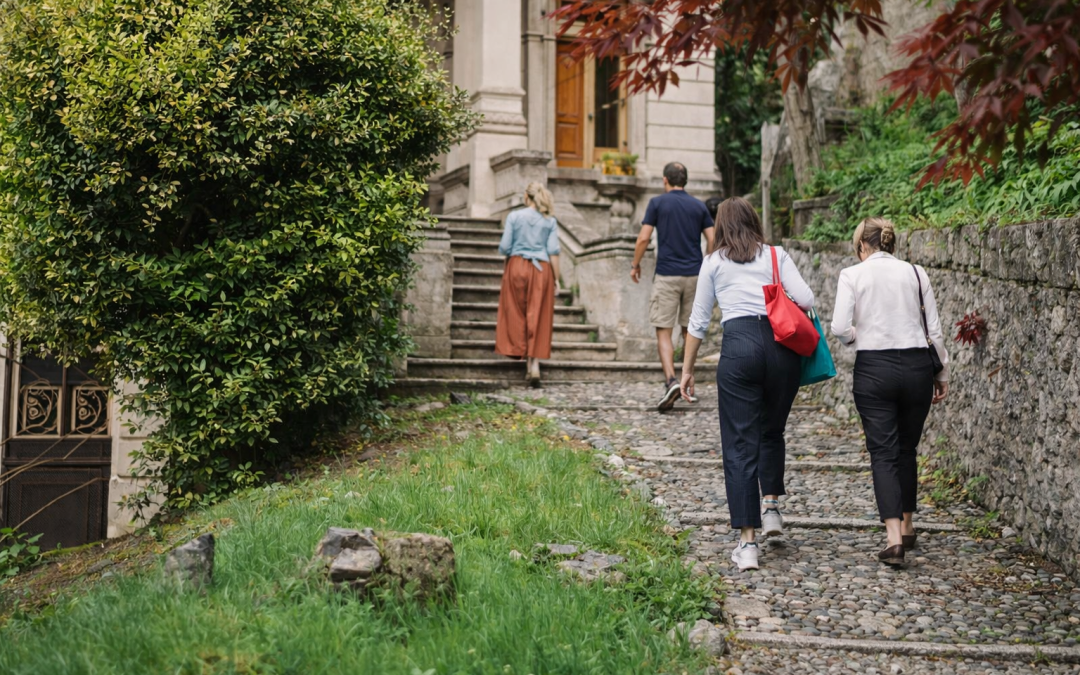
A property viewing trip in Italy can be magical… and also frustrating if you plan it like a normal “house hunting weekend.”
The Italian market is different. Timing is different. Communication habits are different. And if you don’t structure your trip, you’ll end up with too many viewings, too little clarity, and a camera roll full of photos you won’t understand a week later.
This guide turns your trip into a decision-making process: how to build a smart itinerary, what to ask, how to compare properties, and what to do immediately after you fly back home.
1) Decide the goal of the trip (before you book viewings)
Before you schedule anything, pick one main goal:
- Shortlist trip: you’re narrowing areas and non-negotiables (you’re likely not buying yet).
- Decision trip: you know the area well and you’re ready to make an offer if the right home appears.
- Due diligence trip: you already chose the property and you’re verifying details with professionals.
Why this matters: if you don’t choose a goal, you’ll do everything at once—and feel confused by day two.
2) Build a realistic itinerary (Italy is not a spreadsheet)
Here’s the version that works in real life:
The “3–2–1” structure (simple and powerful)
- 3 viewings max per day (2 if locations are far apart)
- 2 breaks (coffee + notes)
- 1 neighborhood walk (services + vibe)
Add buffer time
Plan for parking, delays, key handovers, traffic, and the “Italian pace.”
3) The lunch break reality (12:00–15:00)
This is the part that shocks almost every international client.
In many towns, businesses slow down or close for lunch—and yes, this can include real estate agencies, technicians, and offices. Many places follow a “riposo” rhythm where the midday break can stretch across early afternoon.
What it means for your viewing trip:
- Avoid stacking viewings between 12:00 and 15:00 (or expect delays).
- Use that time strategically: lunch near the area you’re visiting + review notes + reorder your shortlist.
- Save important confirmations/calls for morning or after 15:00.
This one adjustment instantly makes your schedule smoother (and your stress level lower).
4) Don’t rely on email alone (many agencies won’t reply)
Another very common surprise: some agencies don’t answer emails consistently, especially if:
- the message is long,
- it’s written in a foreign language,
- the property is getting attention,
- or the agency is simply overloaded.
It’s not always personal. It’s often a mix of local habits and priorities. A practical solution: message like a local
- Keep it short (5–8 lines max)
- One request per message (availability OR documents OR viewing time)
- Use WhatsApp/phone when possible
- Follow up within 24–48 hours
And yes—this is exactly why many people contact me: because they don’t want to waste days chasing replies from abroad. My job is to get answers, coordinate multiple agencies, and keep the trip (and the negotiation) moving.
5) Work with local professionals (and brief them properly)
Whether you work with a local agent, multiple agencies, or a consultant coordinating the process, the key is the same: Send your criteria before the trip
Copy/paste this and edit:
Subject: Viewing Trip in Italy – Request for Appointments
Message:
Hi, I’ll be in [AREA] from [DATES].
Budget: €[X] (property) + €[Y] (works).
Non-negotiables: [list 3].
Deal-breakers: [list 2].
Use: holiday home / relocation / rental investment.
Are these properties available to view? And can you share floor plan + basic documents?
This filters out time-wasters fast.
6) Prepare the right questions (don’t improvise)
It’s always important preparing questions in advance—do it. Here’s a buyer-smart checklist.
Condition & renovation
- What was renovated, and when?
- Any known issues (humidity, roof, plumbing, electrical)?
- Heating type and insulation (especially if you’ll use it in winter)?
- Any restrictions or permits needed for works?
Documents & compliance (this protects you)
- Is the property compliant from an urban planning/cadastral perspective?
- Any ongoing regularization (sanatoria)?
- If in a condo building: monthly costs + rules + planned works
Practical living
- Internet quality (especially for remote work)
- Parking, access road, noise, sunlight exposure
- Distance to shops, train station, airport
Negotiation clarity
- Why is the seller selling?
- How long has it been on the market?
- Timeline flexibility?
7) Explore the area (you’re not buying walls)
It’s crucial exploring the neighborhood and local amenities.
My rule: visit the area twice
- once in daytime (services, parking, noise)
- once later (atmosphere, lighting, safety)
If it’s for rentals/investment, check seasonality and access (guests behave differently than owners).
8) Use a photo + notes system you’ll actually understand later
I always recommend to my clients to take photos and notes to compare properties afterwards.
Here’s a system that prevents the classic “Which house was this?” problem.
The 60-second “Property Capture” routine (do it before you drive away)
- 3 reference shots
- street/front
- living room
- view/outdoor space
- 20-second voice note
- “House A: great light, small kitchen, humidity smell in bedroom, quiet street.”
- Quick rating (1–10)
- location
- condition
- layout
- “gut feeling”
- deal potential
9) Timing & seasons: choose the season that reveals the truth
In my calls I always mention seasons: summer highlights outdoor life; winter reveals heating/insulation.
- For year-round living: winter or shoulder season is more revealing
- For holiday homes: spring/summer helps you assess lifestyle + tourism flow
10) Budget for extra costs (so your dream stays realistic)
In Italy, purchase costs depend on the specific case, but two “anchor facts” are worth knowing:
- Italy’s tax authority explains that first-home benefits can reduce registration tax to 2% instead of 9%, under certain conditions.
Idealista also explains the same framework in buyer-friendly language (2% vs 9% on cadastral value in common scenarios, plus fixed mortgage/cadastral taxes in first-home cases).
Practical tip: before the trip, decide your maximum all-in number and keep a separate “purchase costs” budget bucket.
11) What to do right after the trip (this is where results happen)
Most buyers fly home and lose momentum. Don’t.
Within 48 hours
- Reorder your shortlist (top 3)
- Request missing documents
- Decide what needs a second look (in-person or remote)
Within 7 days
- Decide: offer / wait / drop
- If offering: start checks (technical + legal)
A sample 3-day viewing itinerary (copy/paste)
Day 1 – Orientation + 2 viewings
- Morning: area drive + coffee in the town center
- Midday: viewing #1
- Lunch/notes break (12–15)
- Afternoon: viewing #2 + neighborhood walk
Day 2 – Main day (max 3 viewings)
- Morning: viewing #3
- Coffee/notes break
- Midday: viewing #4
- Lunch/notes break (12–15)
- Afternoon: viewing #5 + services check (shops, pharmacy, parking)
Day 3 – Confirm + decide
- Revisit top property (different time of day)
- Meet a technician/geometra if needed
- Define next steps and timeline
Common mistakes (and how to avoid them)
- Too many viewings → you forget what you saw
- Ignoring the lunch break → you waste prime hours
- Relying on email only → you lose days
- No checklist → you miss deal-breaking questions
- No post-trip plan → you lose negotiation power
If you’re planning a property viewing trip in Italy and you want it to be productive (not chaotic), the best first step is a structured plan: itinerary, agency coordination, and a comparison system before you land.
This is exactly what I help international buyers with—especially when:
- agencies aren’t replying,
- you have limited days in Italy,
- and you want to come home with clarity (and a real next step).
Not getting replies from agencies?
This happens a lot — especially when you’re abroad. If you want, message me on WhatsApp with the town/area and your trip dates, and I’ll tell you the fastest way to get responses and schedule viewings efficiently.